70yrs
This page is under construction
Logo
We believe in the importance of creating a specific logo that represents our event’s personality.
Looking good is primordial as the visual image we present carries an important message: CERN is a modern, innovative organisation with a clear sense of mission.
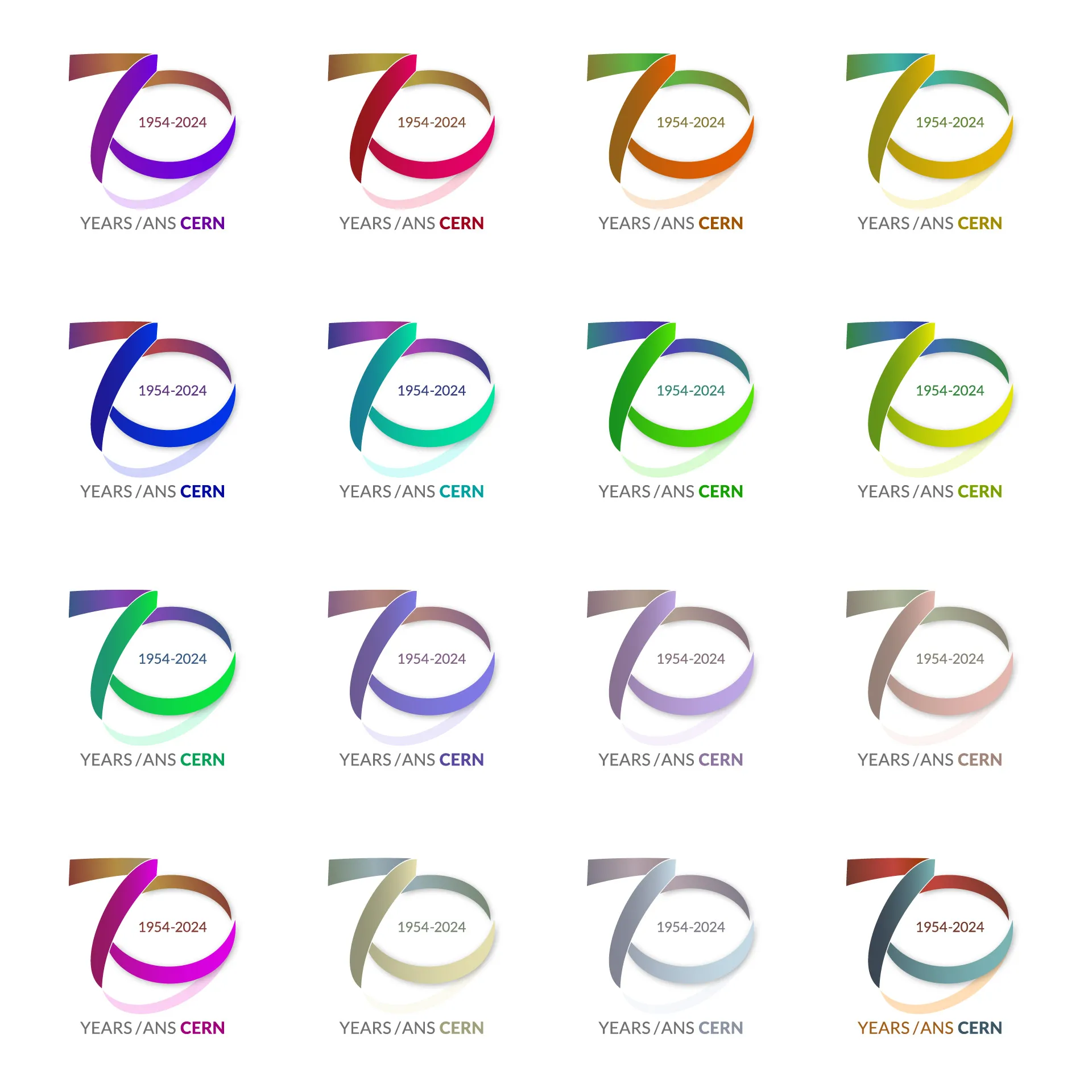
This logo evokes stability in movement.
The logo is designed to show the evolution of CERN and enlighten its dynamism and projection into the future, it is based on the accelerator chain while making “70”
It is versatile and adaptable
The basic is stable and the placement of the different elements can be adjusted according to the context:
- Years/Ans
- 1954-2024
- Motto
- Flags
The color is a variation from Pantone 289, CERN logo colour.
Our event is a multi-channel, multi-audience communications and outreach campaign.
In order to be as inclusive as possible, a version of the logo by country is available in the download area or here 70yrs-logos | CERN Design Guidelines An authorization is required to be able to use it on external communication tools, please contact Fabienne Landua
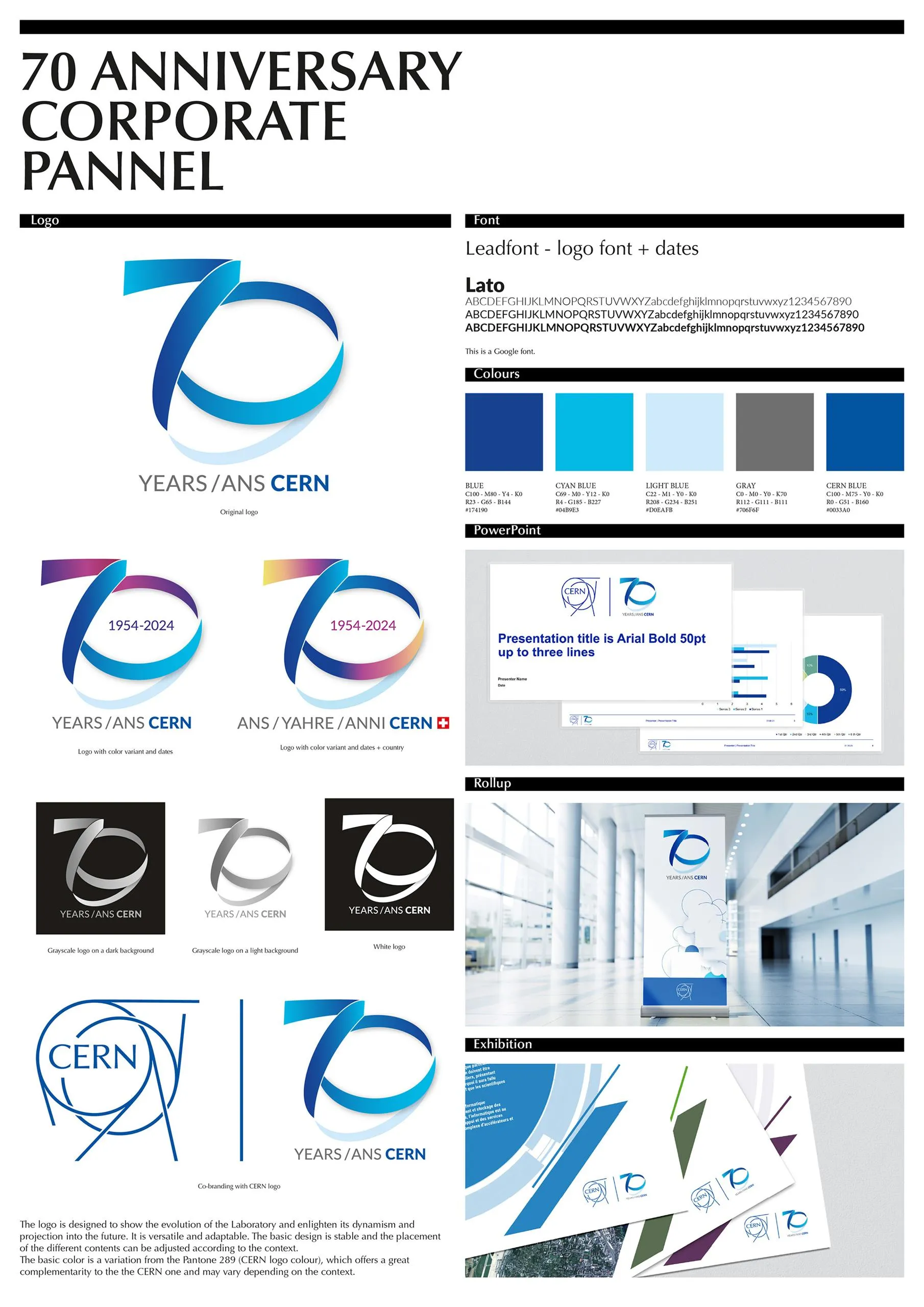
This panel, shows the different aspects of our brand development.
Presentations
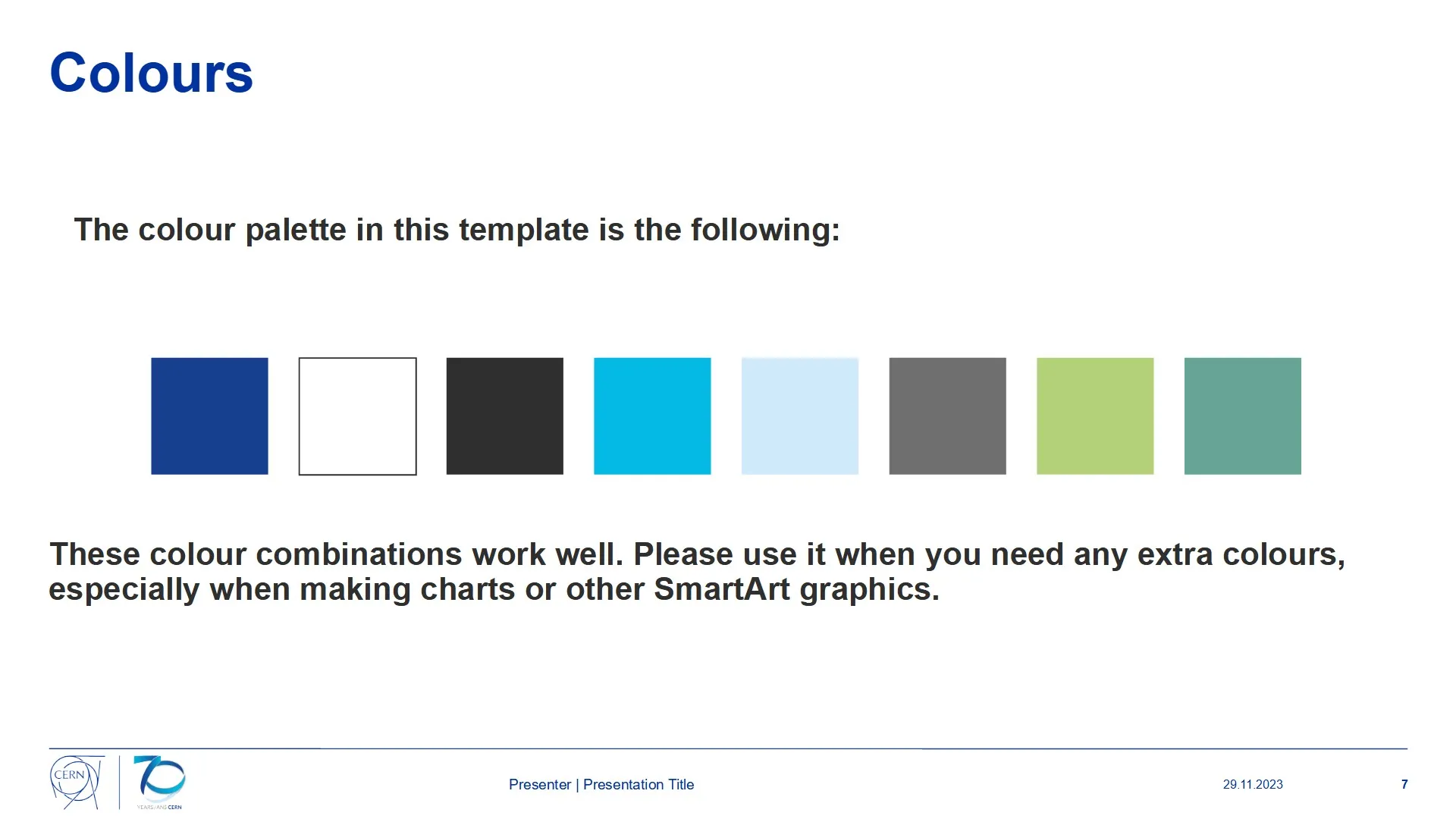
Additional material for presentation is available here 70yrs-material | CERN Design Guidelines
An authorization is required to be able to use it on external communication tools, please contact Fabienne Landua
 |  |
Graphics
coming soon
Illustrations are available in four different languages (French, German, Spanish or English) on our CDS Graphics section
For the use of this section material, follow the terms of Use for CERN Audiovisual Media
 |  |
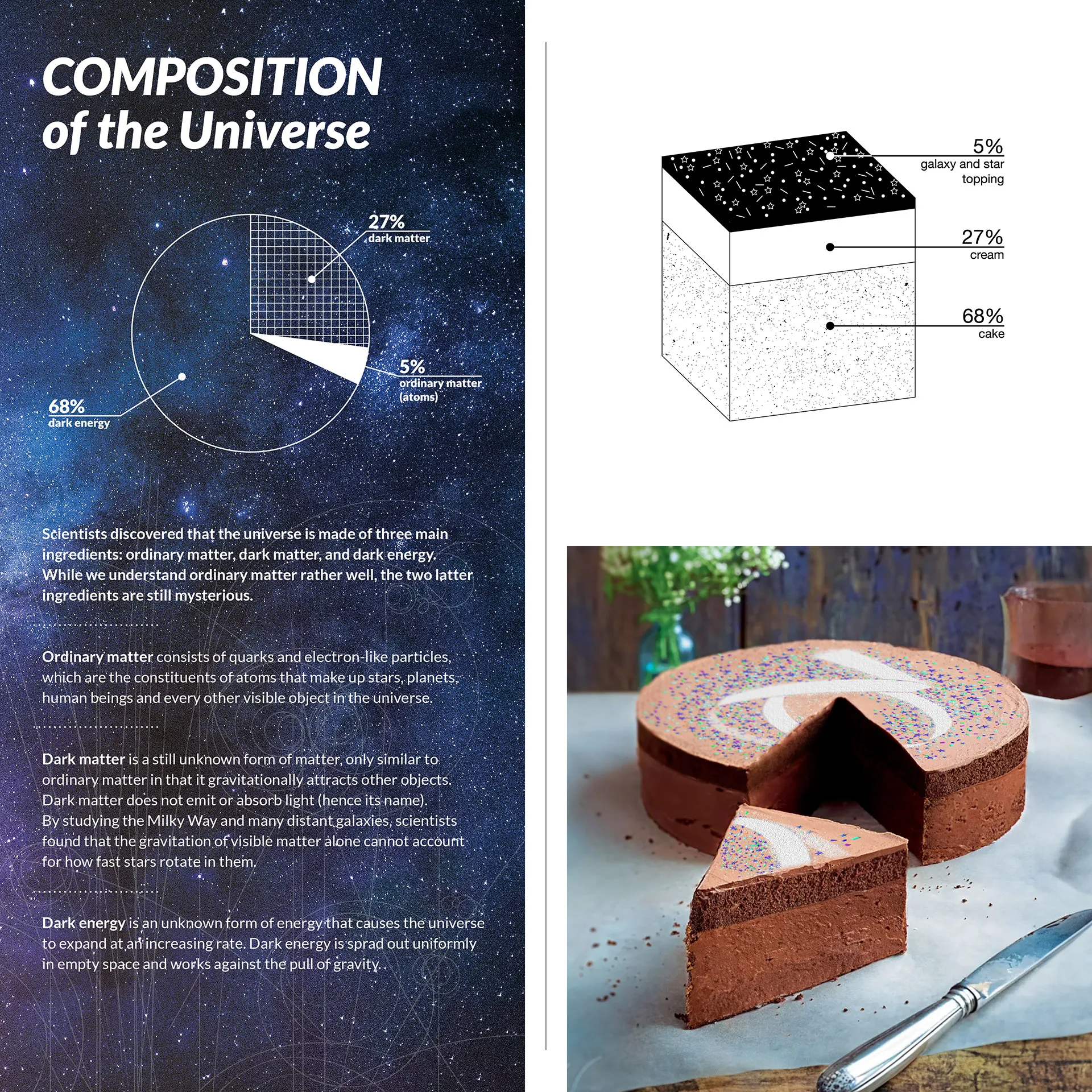
Recipe for the Universe cake
The recip is available in the download area or here Recipe for the Universe cake | CERN Design Guidelines
Exhibitions
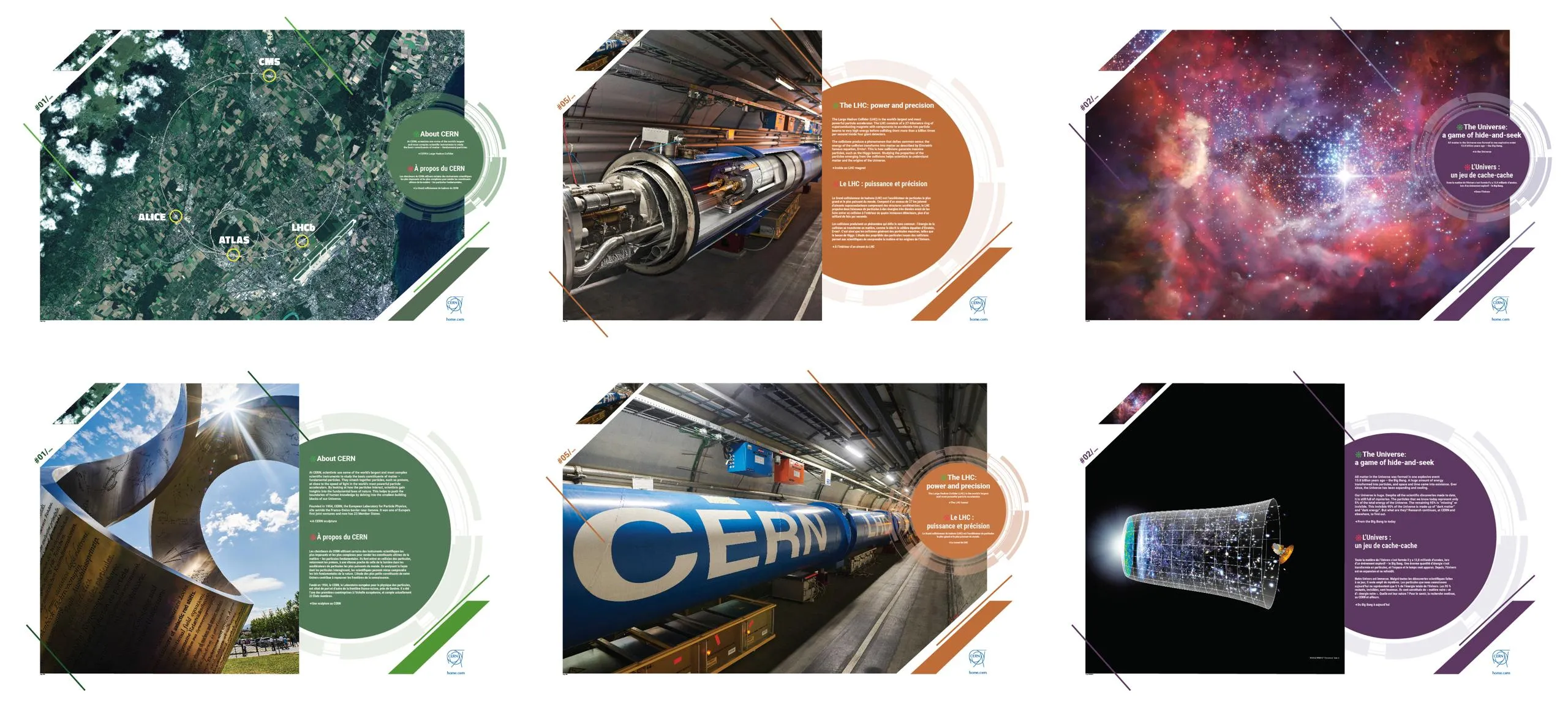
Exhibitions are available on our CDS Posters section
CERN in images
CERN in images – EN-FR – CERN Document Server
For the use of this section material, follow the Terms of Use for CERN Audiovisual Media | Copyright and terms of use of CERN content
|
CERN impact – coming soon
For the use of this section material, follow the Terms of Use for CERN Audiovisual Media | Copyright and terms of use of CERN content
|
Brochures
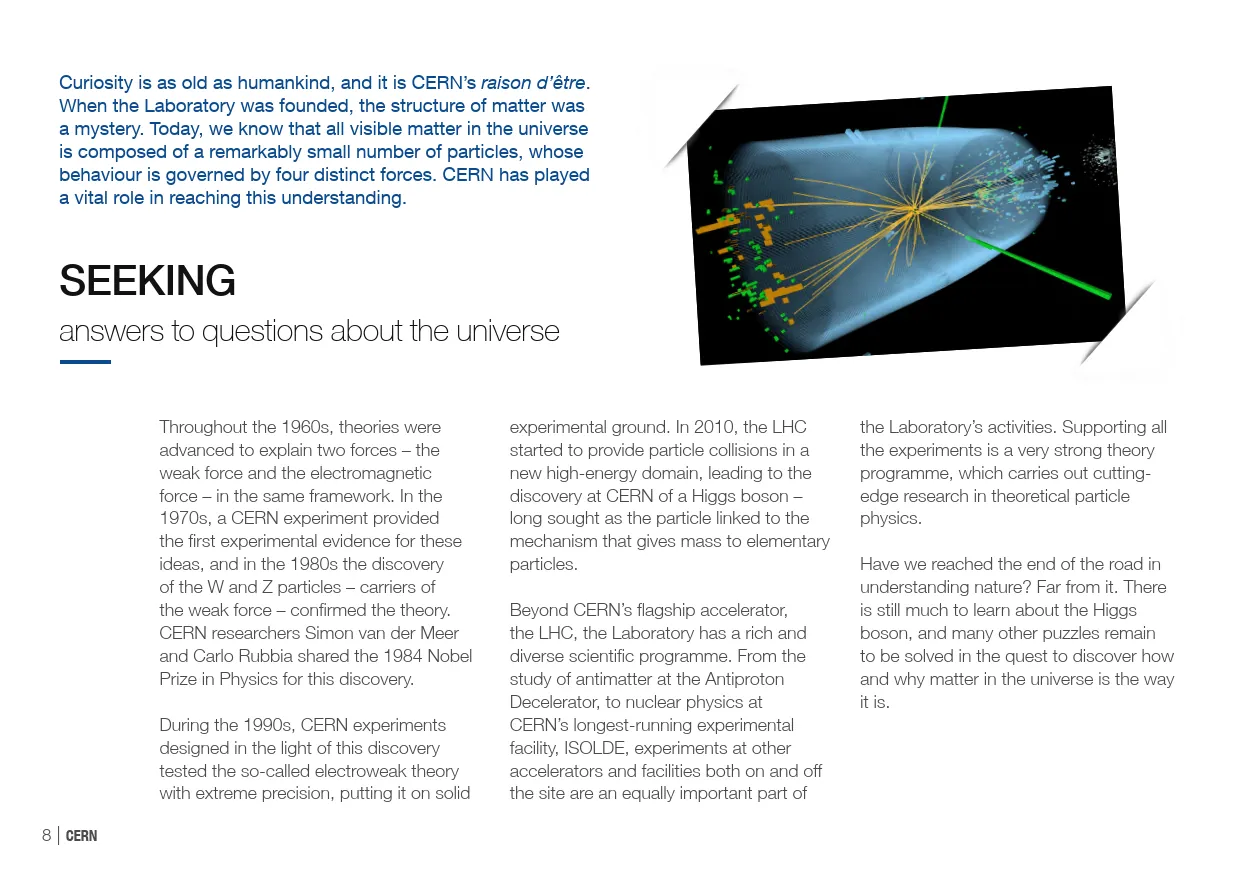
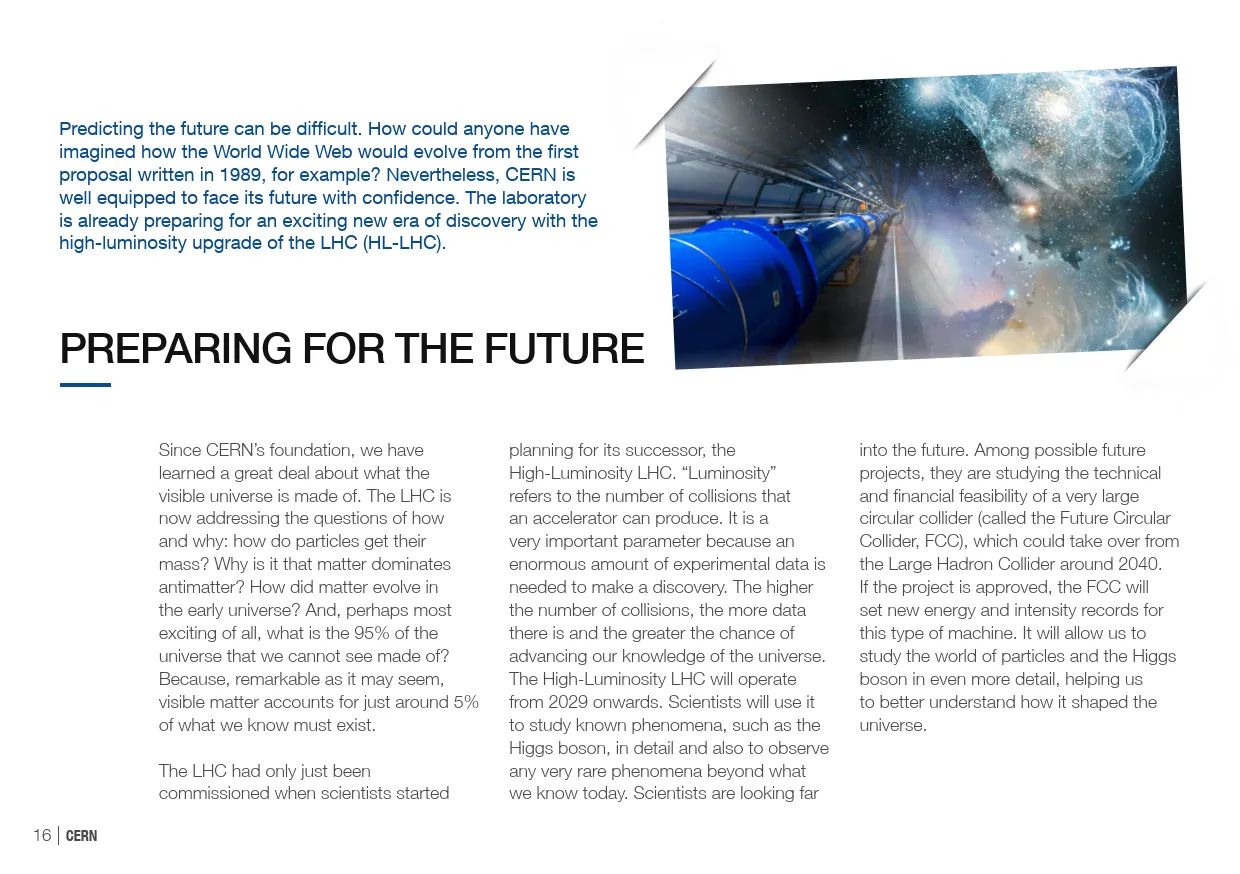
Brochures are available on our CDS Brochures section
CERN brochure
CERN VIP brochure – CERN Document Server
For the use of this section material, follow the Terms of Use for CERN Audiovisual Media | Copyright and terms of use of CERN content
|
|
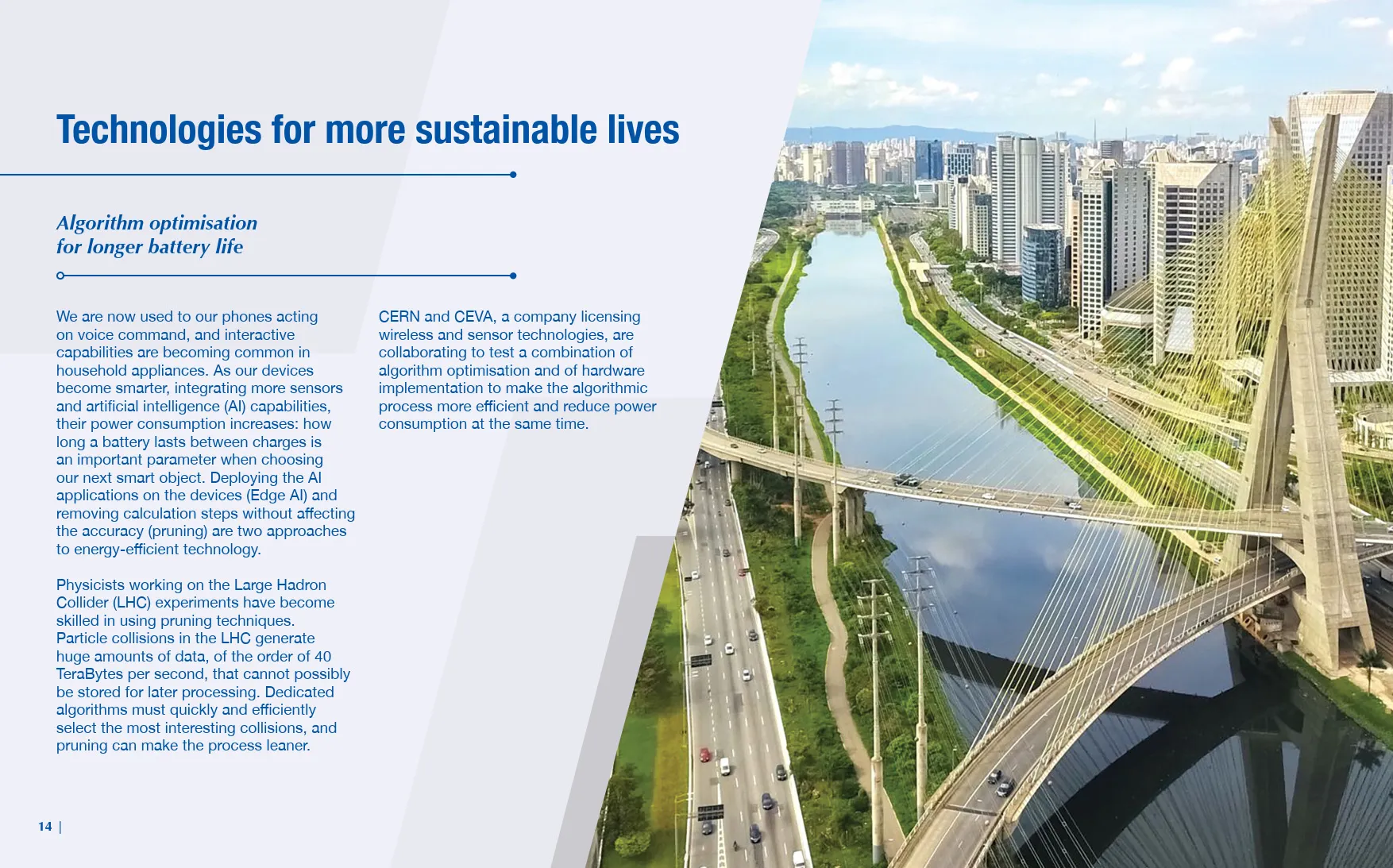
CERN impact brochure
Impact of CERN Technologies: from fundamental research to our everyday lives – CERN Document Server
For the use of this section material, follow the Terms of Use for CERN Audiovisual Media | Copyright and terms of use of CERN content
|
|